How Long Do Dark Spots Take to Fade?
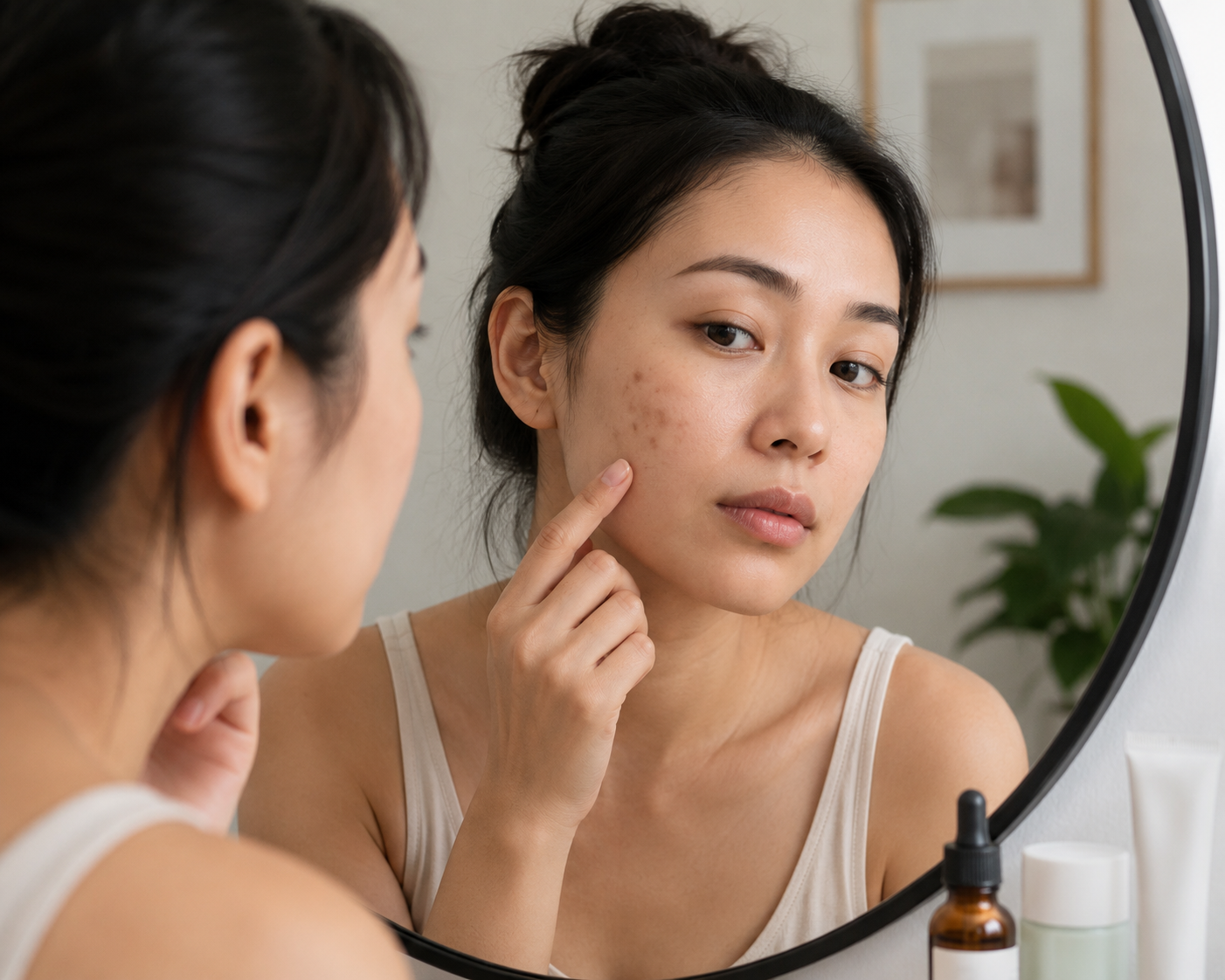
If you've been treating dark spots for weeks and feel like nothing is changing, don't worry.
Dark spots often take much longer to fade than most people expect.
The exact timeline depends on your skin type, the cause of the pigmentation, and how consistently you're treating it.
Let's look at what you can realistically expect.
🤔 What Are Dark Spots?
Dark spots, also called post-inflammatory hyperpigmentation (PIH), are areas of excess pigment that appear after skin inflammation.
Common causes include:
- Acne breakouts
- Insect bites
- Skin irritation
- Cuts and scratches
- Burns
Unlike acne scars, dark spots affect skin color rather than skin texture.
⏳ How Long Does It Usually Take?
There isn't one answer for everyone.
Here's a general timeline:
| Dark Spot Severity | Typical Healing Time |
|---|---|
| Mild dark spots | 6-12 weeks |
| Moderate dark spots | 3-6 months |
| Deep or stubborn spots | 6-12 months+ |
People with medium and darker skin tones may notice dark spots lasting longer because the skin naturally produces more pigment.
🌞 Why Some Dark Spots Last Longer
Several factors can slow the fading process.
Skipping Sunscreen
Sun exposure can darken existing spots and make them last much longer.
Picking Pimples
Picking increases inflammation and often creates deeper pigmentation.
Inconsistent Skincare
Most brightening ingredients need several weeks of regular use before noticeable improvement occurs.
Deeper Pigmentation
Pigment located deeper in the skin naturally takes longer to fade.
✨ Ingredients That May Help Dark Spots Fade Faster
Some ingredients are commonly used to improve hyperpigmentation:
- Vitamin C
- Niacinamide
- Azelaic Acid
- Alpha Arbutin
- Tranexamic Acid
- Retinoids
Results vary, but consistency is often more important than using many products at once.
🌞 The Most Important Product: Sunscreen
Many people focus on serums while ignoring sunscreen.
Without daily SPF protection, UV exposure can continually stimulate pigment production.
❌ Common Mistakes
| Mistake | Why It Slows Progress |
|---|---|
| Skipping sunscreen | Darkens spots |
| Picking acne | Creates more pigmentation |
| Using harsh scrubs | Causes irritation |
| Changing products too often | Makes results difficult to track |
| Expecting overnight results | Leads to unnecessary frustration |
💡 When Should You See a Dermatologist?
Consider professional advice if:
- Dark spots aren't improving after several months
- Pigmentation continues spreading
- You're unsure whether it's dark spots or melasma
- The discoloration affects your confidence significantly
Professional treatments such as chemical peels, lasers, or prescription creams may help stubborn cases.
🧠 Final Thoughts
Dark spots usually fade, but they rarely disappear overnight.
Most people begin seeing improvement within a few months, while deeper pigmentation may take much longer.
The keys to success are simple:
- Wear sunscreen daily
- Avoid picking your skin
- Use proven brightening ingredients
- Stay consistent
With patience and the right routine, many dark spots gradually become much less noticeable.
💡 Tip: Take a photo of your skin every month in the same lighting. Small improvements are often easier to see in photos than in the mirror.
This article is for educational purposes only and does not replace professional medical advice. Consult a dermatologist if you have concerns about persistent pigmentation.
🔗 Other Articles You Might Like
- Why Are My Dark Spots Not Fading?
- Dark Spots vs Melasma
- Acne Scars vs Dark Spots
- Best Sunscreen For Glowing Skin